

The Face Is a Mood Board: How Beauty Became Emotional Architecture
Once upon a time, beauty was about polish. You followed the rules, matched the trend, and aimed for “flawless.” But somewhere between glossy contour tutorials and bare-faced confessionals on TikTok, the face stopped being a finished product and started becoming a process. Today, beauty works more like emotional architecture. It holds feelings, signals intention, and adapts to the inner climate of the person wearing it. Your face isn’t just what you show the world. It’s how you design your presence in it.
From Contour to Context
Makeup used to be about correction and enhancement. Now it’s about context. A sharp liner can be armor. Smudged mascara can be honest. Glitter at noon can be rebellion or joy or both. The point isn’t perfection but placement. Beauty choices respond to where you are emotionally, socially, and culturally. Just like architecture responds to its environment, beauty adapts to the moment, shaping how you move through space and how space moves back.
Makeup as Emotional UX
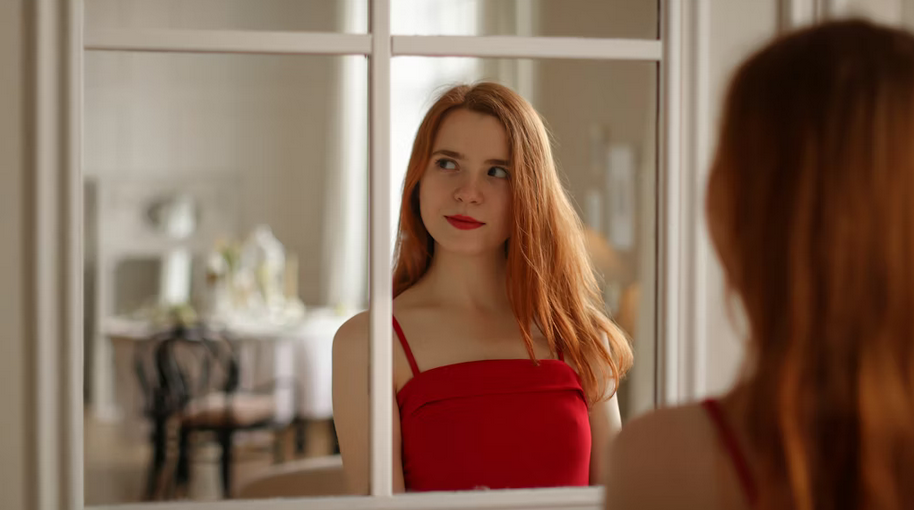
Think of beauty as user experience design for the self. When you apply a product, you’re not just changing how you look, you’re changing how you feel navigating the day. A bold lip can make small talk easier. A bare face can lower the noise. These choices optimize emotional flow. Beauty becomes a soft interface between your inner world and the outside one, smoothing friction or amplifying impact depending on what you need.
The Rise of Expressive Skin
Skin used to be something to hide behind foundation. Now it’s a canvas that tells the truth, texture, and all. Freckles, redness, shine, scars, and lines are no longer flaws but features of a lived-in space. Expressive skin mirrors the way we talk about mental health and vulnerability more openly. Letting skin breathe is a design choice that says comfort matters more than illusion. It’s less about covering and more about coexisting.
Faces as Social Interfaces
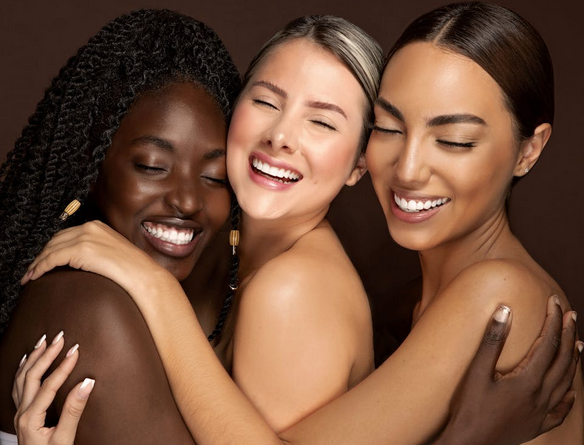
Your face is the first interface people interact with, whether in person or through a screen. Filters, lighting, angles, and makeup all shape how that interaction feels. In a hyper-digital world, the face becomes architecture for connection, buffering us from judgment or inviting intimacy. A playful blush or exaggerated brow can signal humor before a word is spoken. Beauty turns the face into a readable, emotional landscape.
Beauty as Spatial Design
If architecture shapes how bodies move, beauty shapes how emotions move. A soft glam look can create a sense of safety. An experimental look can disrupt expectations and open new conversations. Beauty builds rooms for different versions of the self to exist. You might inhabit a minimal space one day and a maximalist one the next. Neither is more real. They’re just different emotional floor plans.
When we say the face is a mood board, we’re acknowledging that beauty is no longer static or purely aesthetic. It’s emotional, adaptive, and deeply personal. Beauty has become a form of architecture we carry with us, designed and redesigned daily to hold our feelings, identities, and intentions. Your face doesn’t just reflect how you look. It reflects how you live.
